Tours Cathedral in France, its twin towers lit gold against the night Tours Cathedral, France · built 1170–1547

1765 SANCTUM

Altar · Arms · Allegiance

Enter
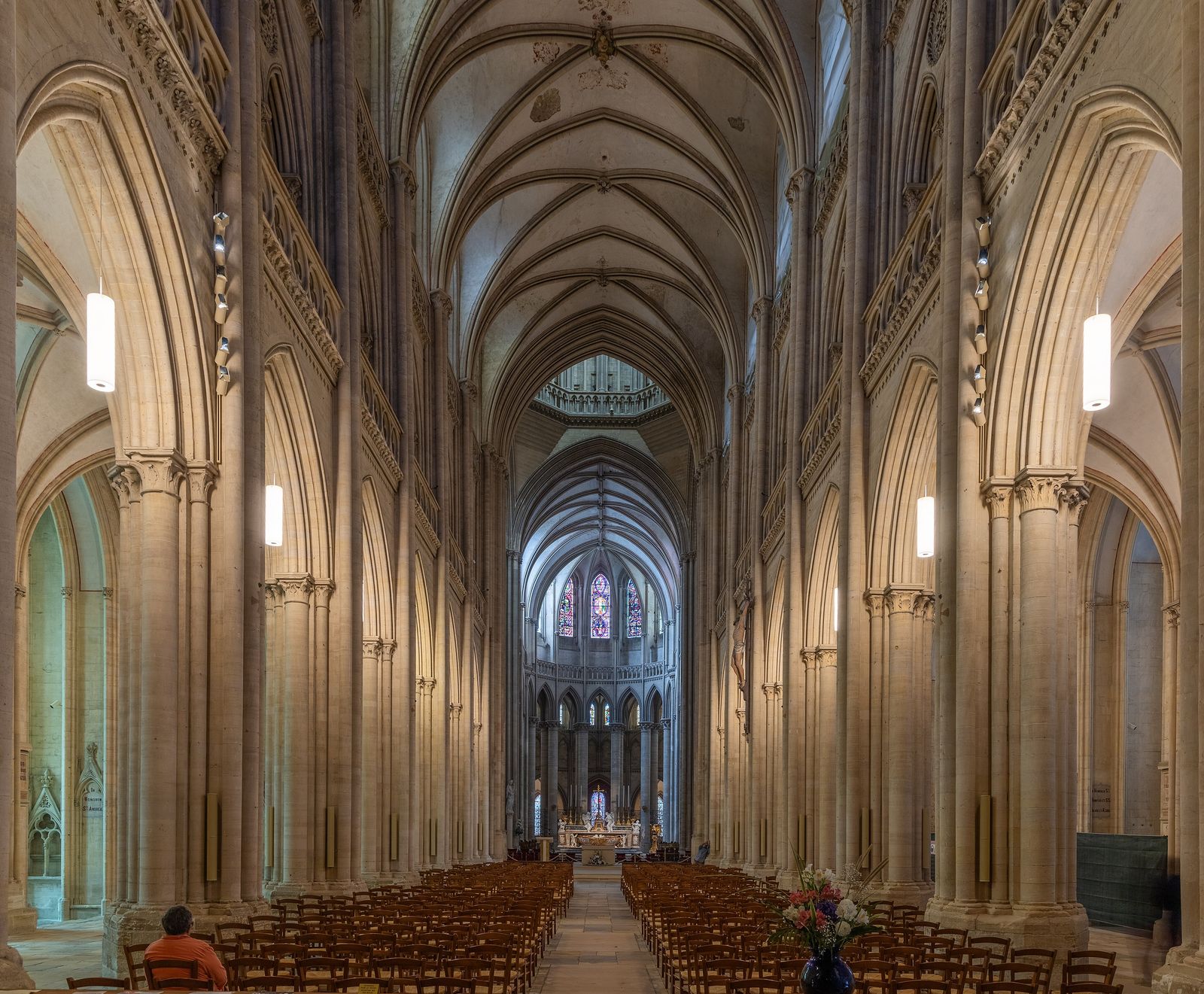
The nave of Coutances Cathedral in Normandy, looking east to the choir Coutances Cathedral, Normandy · built 1210–1274

Ecclesia domestica

Become the priest of your home.

A free 30-day program for Catholic husbands and fathers. One three-minute email each morning: one teaching, one man from the Church’s memory, one order for tonight, and a prayer.

No card. Unsubscribe any time. This is the priesthood of the baptized (Catechism 1657) — not Holy Orders. See all thirty days first →

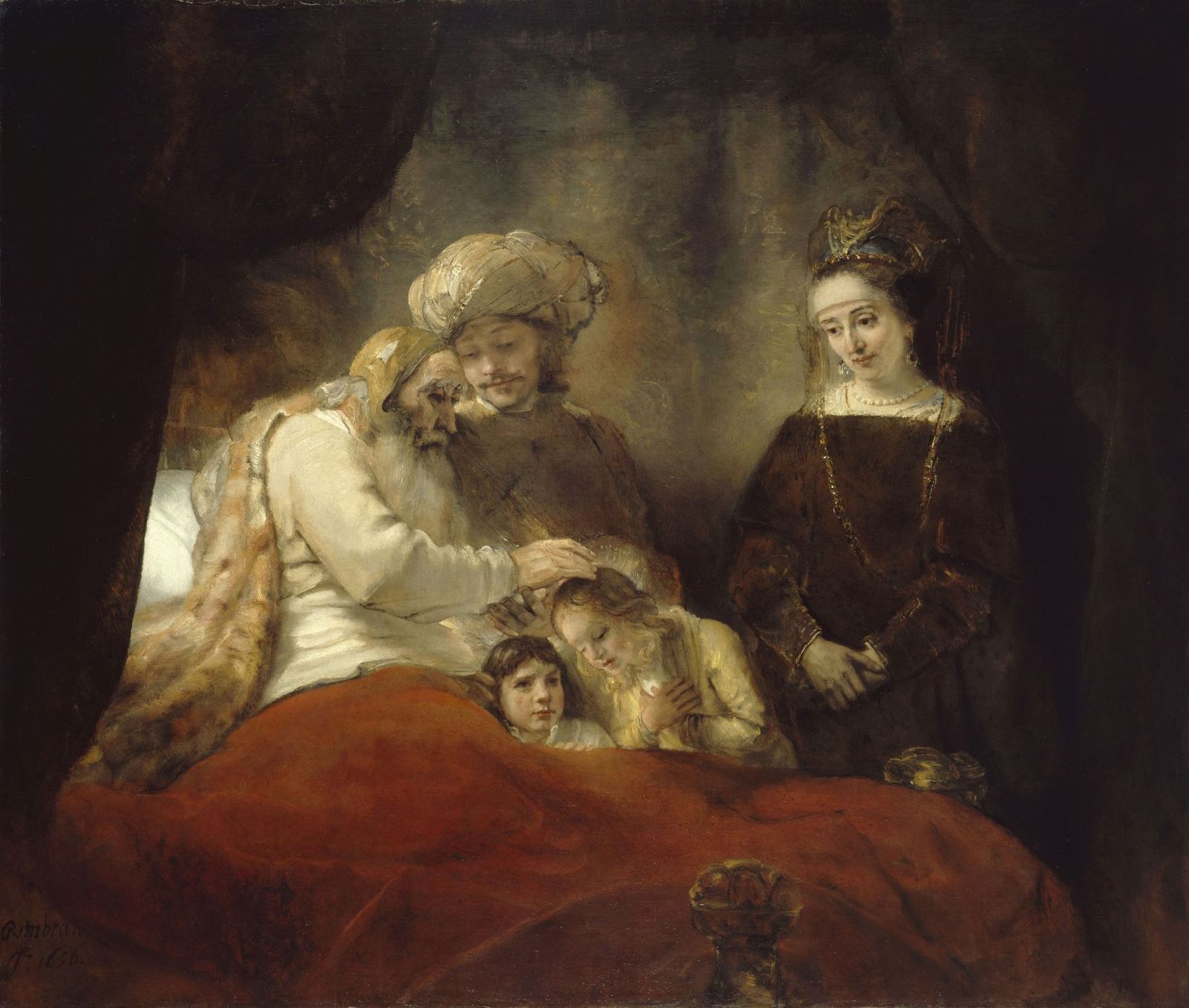
Rembrandt, Jacob Blessing the Sons of Joseph (1656): an old father blessing his grandsons Rembrandt · Jacob Blessing the Sons of Joseph, 1656

The thirty days

Thirty mornings, in the order a house is actually built.

The altar first, because nothing else holds without it; then the walls; then what you hand down; then the people inside.

See all thirty days
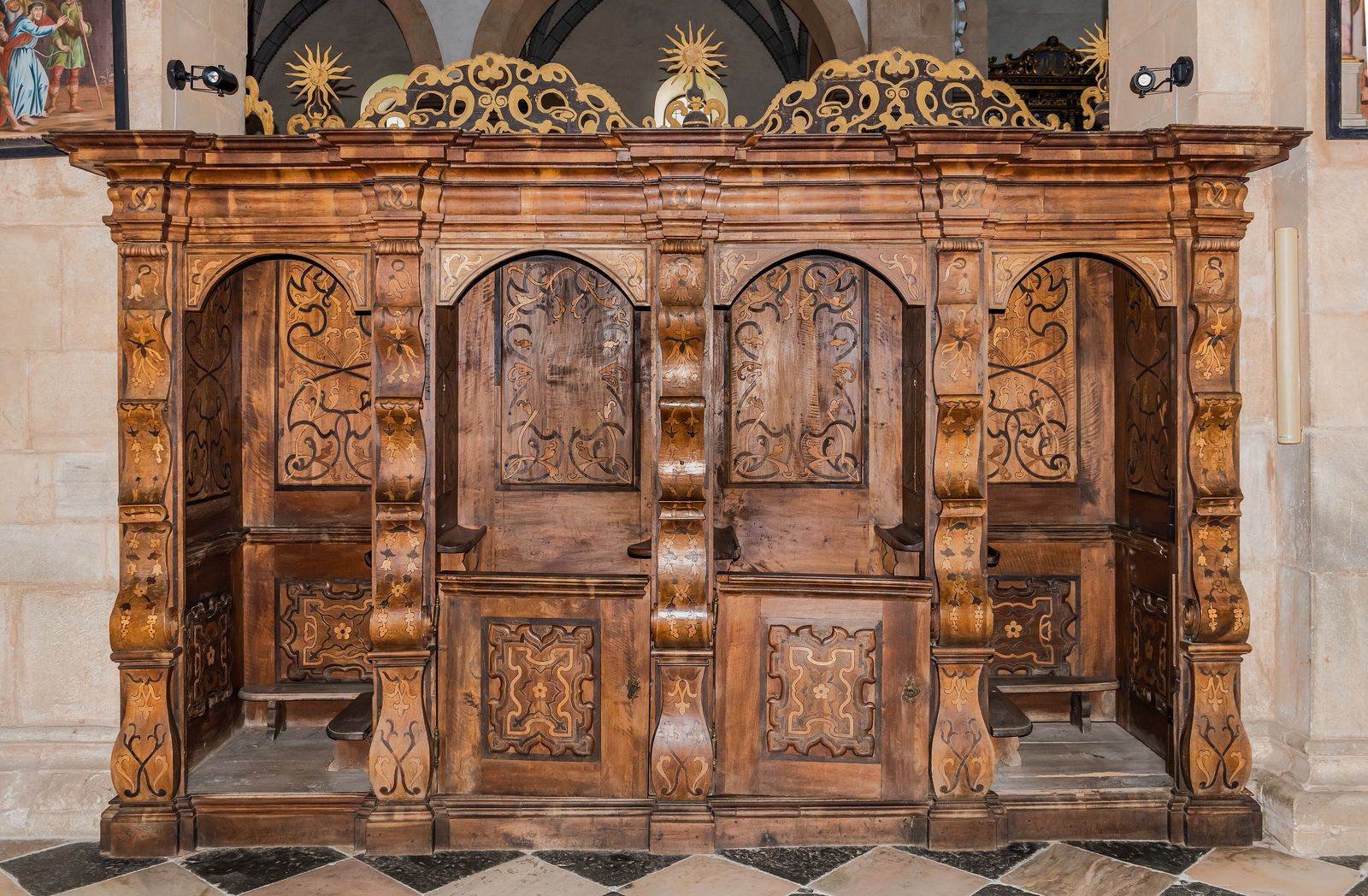
A carved wooden double confessional in Gurk Cathedral, Austria Gurk Cathedral, Austria · built 1140–1200 · its carved confessional

Confession

Examination of Conscience

A masculine, magisterially-cited examination for the man preparing for confession. Field, Standard, Deep and Daily modes. Scrupulosity-aware.

Open the examination
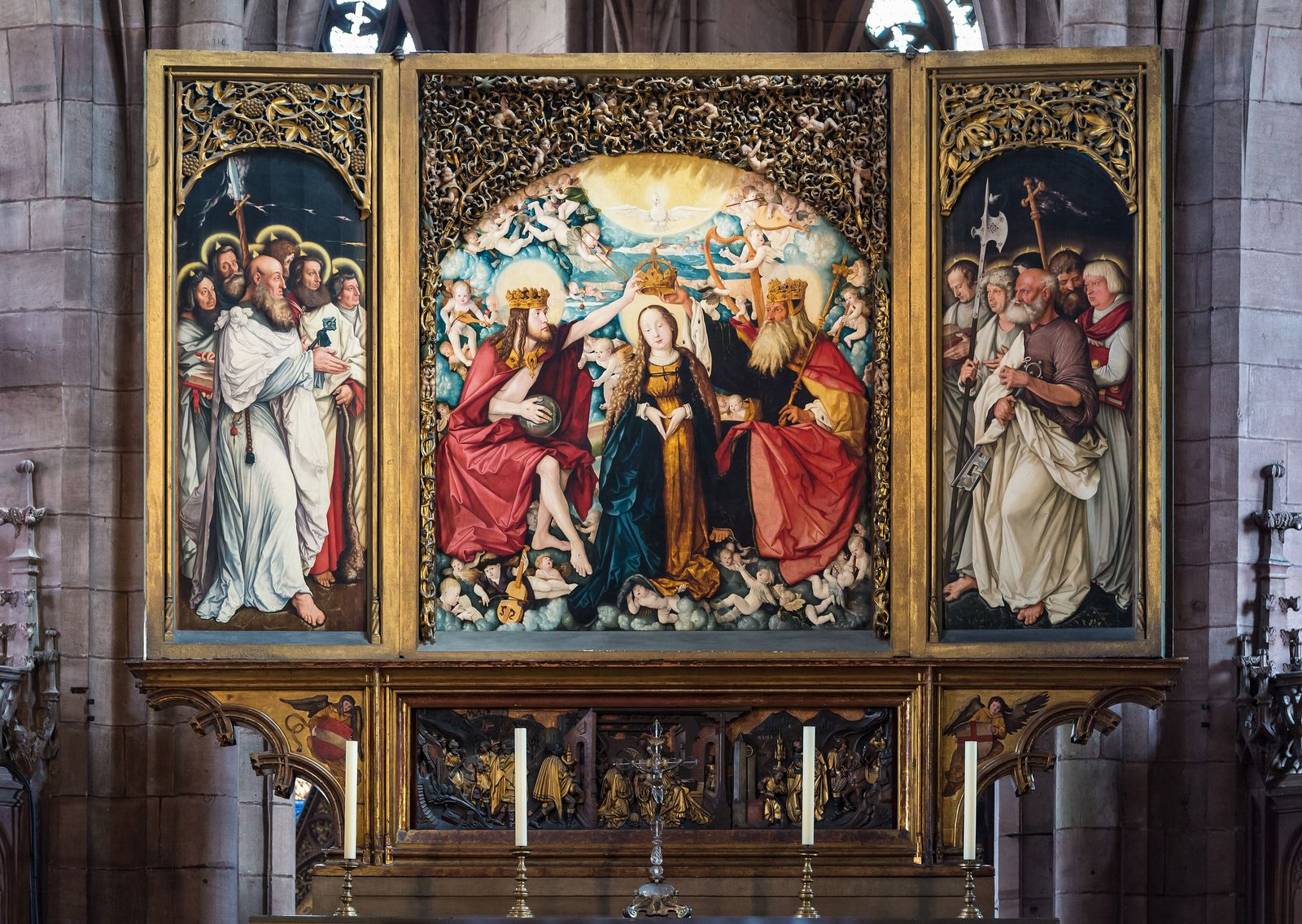
Hans Baldung Grien's Coronation of the Virgin, the high altar of Freiburg Minster Freiburg Minster · Hans Baldung Grien, Coronation of the Virgin, 1512–1516

Our Lady’s altar

The Visual Rosary

The Rosary St. Pius V asked of all Christendom before Lepanto, given back to the man who wants to see what he is meditating on.

Pray the Rosary
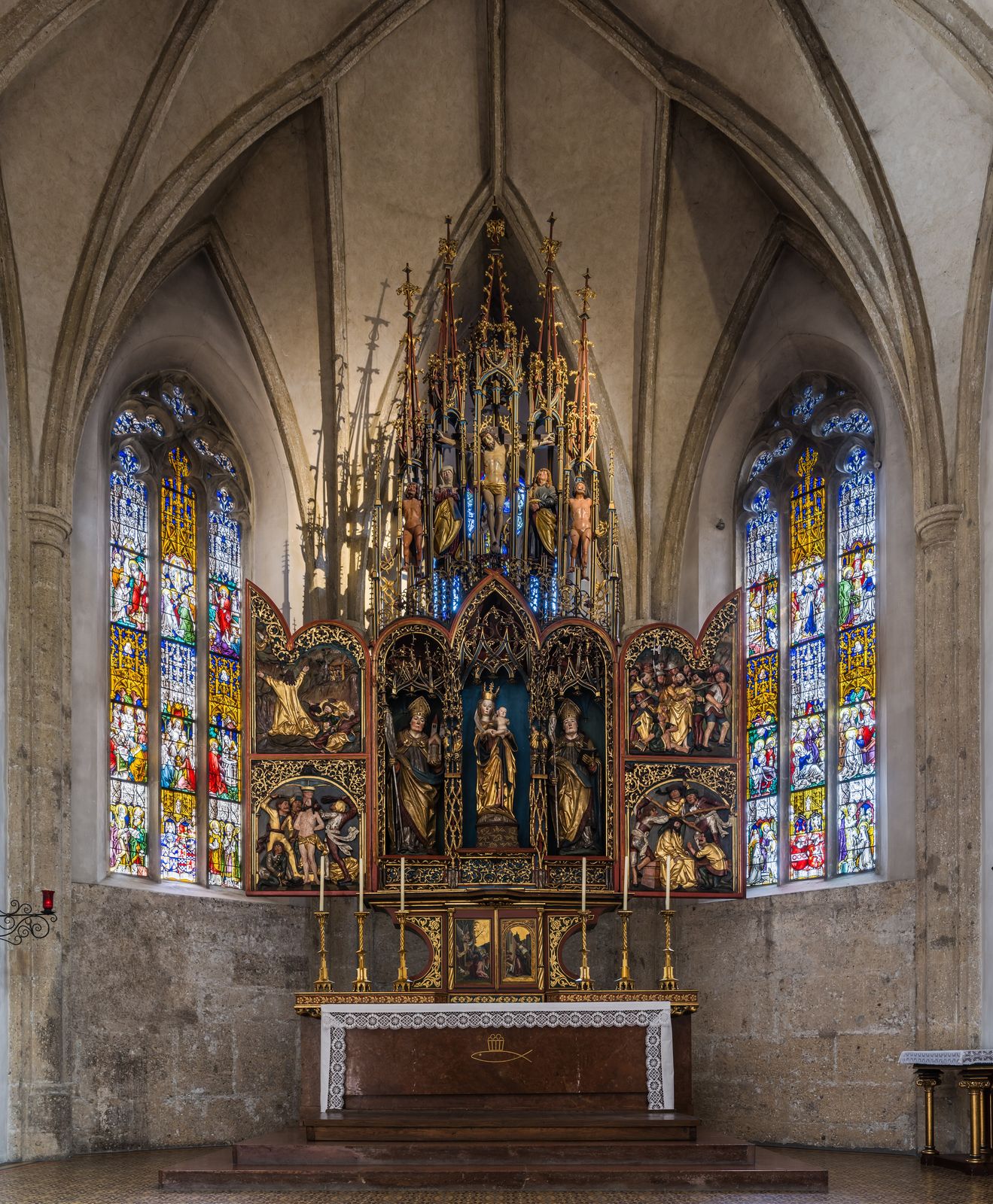
The Gothic high altar of Nonnberg Abbey in Salzburg, between two stained-glass windows Nonnberg Abbey, Salzburg · founded c. 714

The Mass

The Mass Guide

The Roman Rite explained without condescension or ideology: what is happening at every part, when to stand and kneel.

Open the Mass Guide
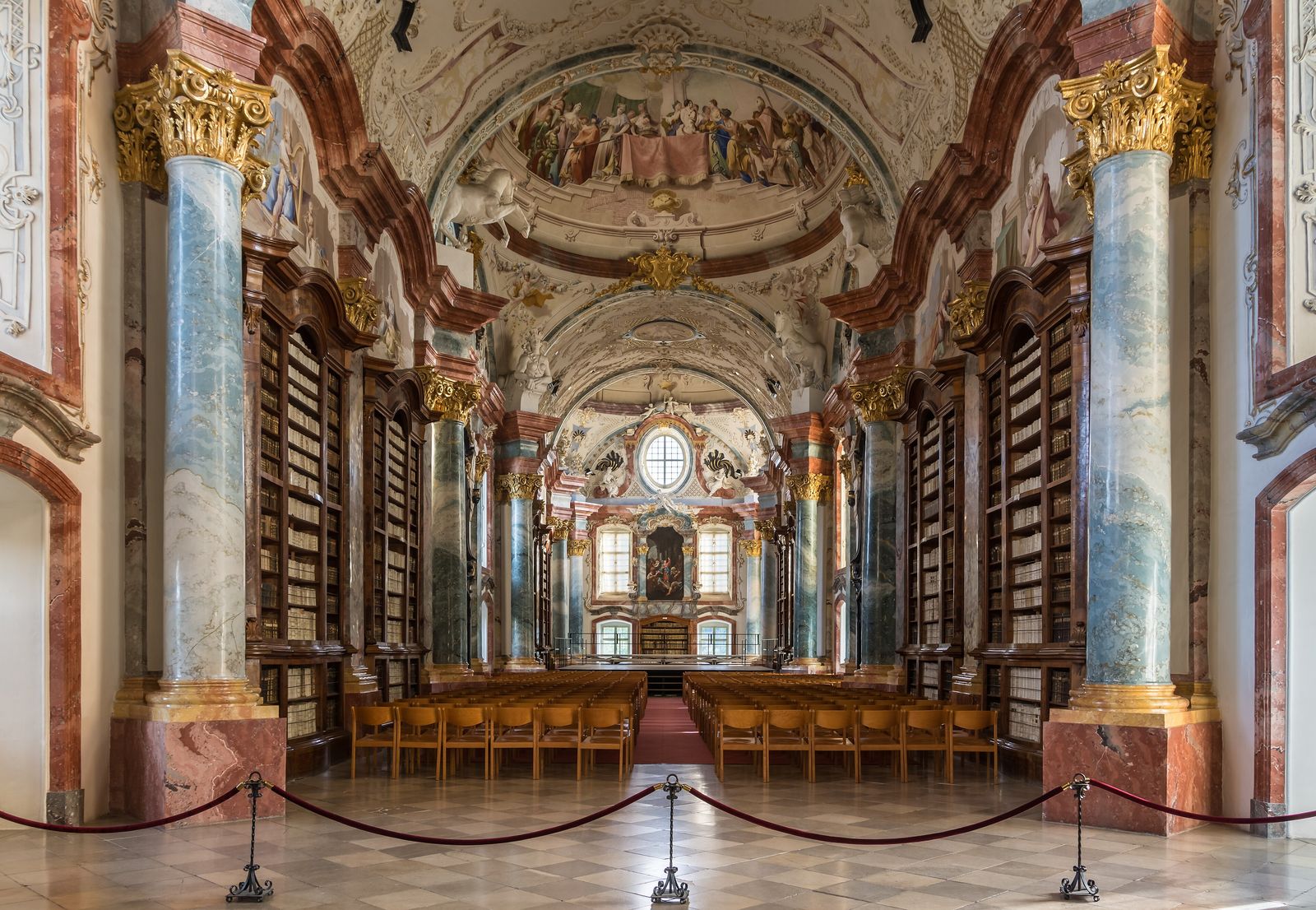
The baroque library of Altenburg Abbey in Austria Altenburg Abbey, Austria · the library, 18th century

The Library

Every guide, prayer and letter.

Confession, the Rosary, the sacraments, the saints, the Scriptorium and the Dispatch archive, gathered in one place.

Enter the Library
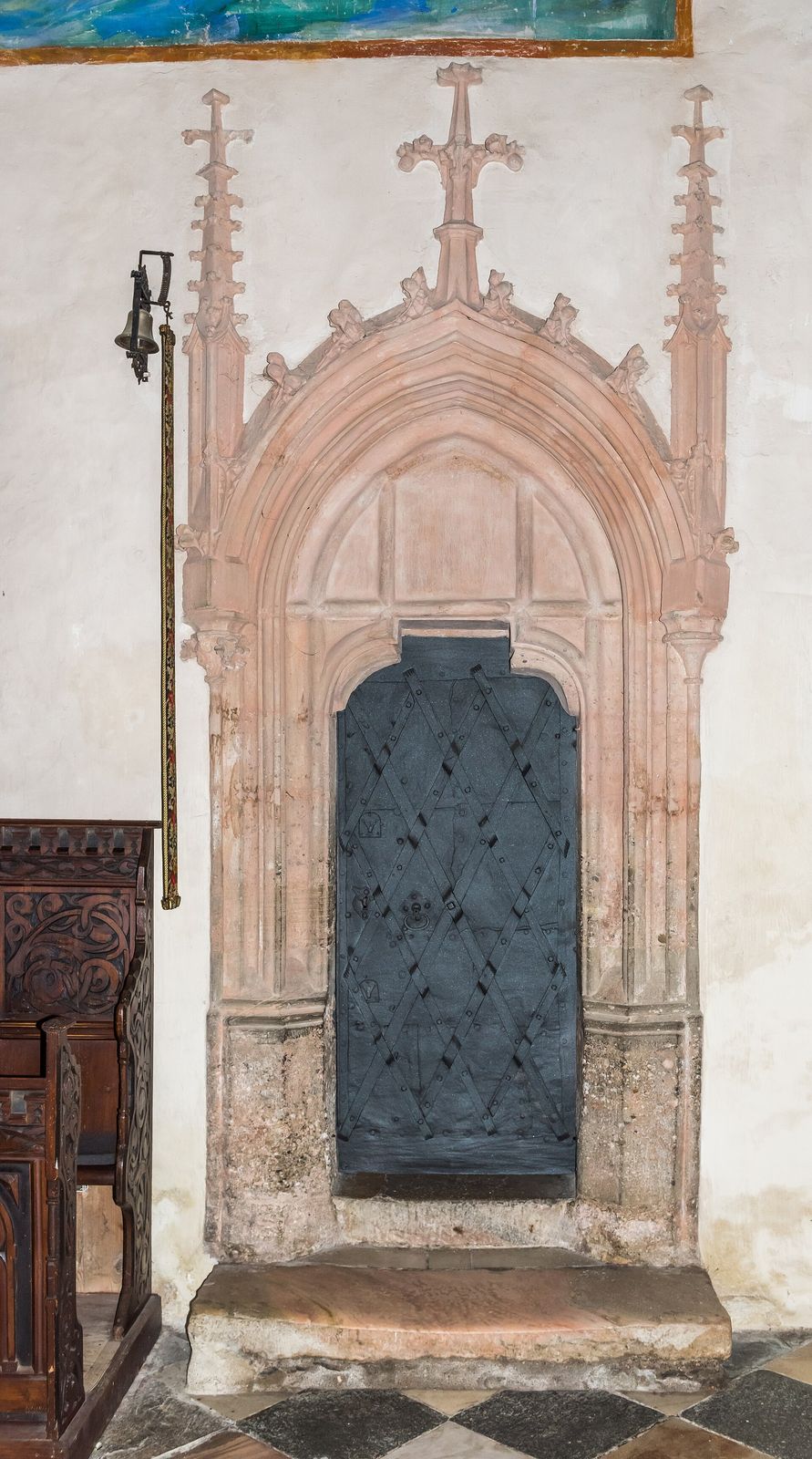
The late-Gothic stone portal and iron-bound sacristy door of the pilgrimage church of Maria Saal, Austria Maria Saal pilgrimage church, Austria · the late-Gothic sacristy door

For the men who want depth

The Brotherhood Pass

Eight formation tools behind one door, and the whole of Saecula. $8.99 a month, one tier. The essentials stay free whether or not you ever take it.

What is behind the door
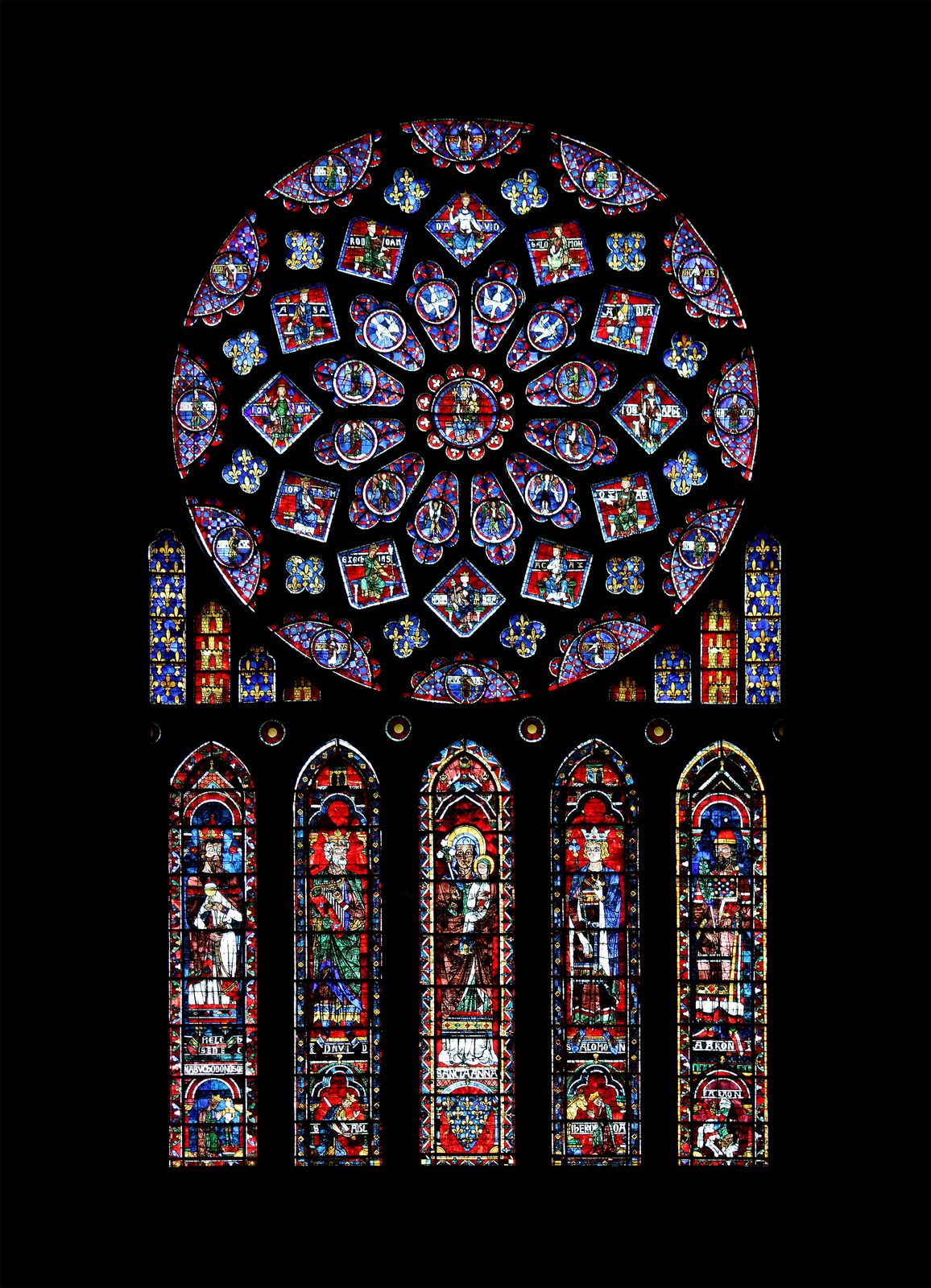
The north rose window of Chartres Cathedral, c. 1230 Chartres Cathedral · the north rose, c. 1230

Per omnia saecula saeculorum

Saecula

The whole story of salvation, flown over a globe of the real Earth, from the first light of Creation to today.

Fly it
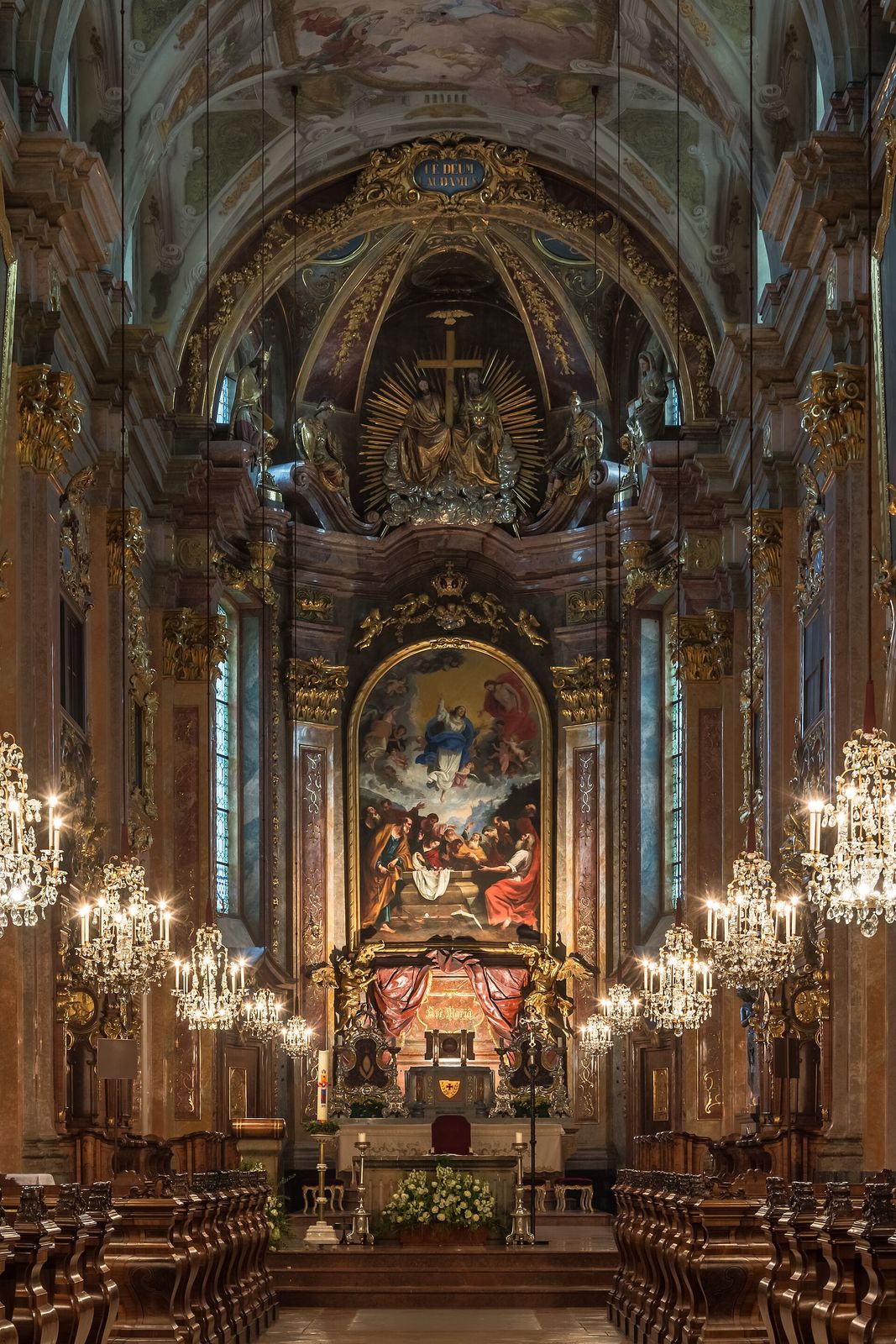
The baroque high altar of St. Pölten Cathedral in Austria, lit by candles and chandeliers St. Pölten Cathedral, Austria · the high altar

Introibo ad altare Dei.

I will go in to the altar of God · Psalm 42:4, Douay-Rheims (43:4 in modern Bibles)

Thirty mornings. One order a night. Start tonight.

No card. Unsubscribe any time.

Everything in the house

Start with the free 30 days, or go straight to what you came for.

Begin the free 30 days

How the work is made

Sanctum scripts, letters and pages are founder-directed and drafted with AI assistance, under written guardrails. The founder sets the subject, the doctrinal rails and the voice; every consequential claim, quotation and theological assertion is then checked against primary sources — Scripture in the RSV-CE or the Douay-Rheims, the Catechism by paragraph on vatican.va, Church documents on vatican.va — in an independent verification pass whose job is to break the draft, not to bless it.

What we will never claim is that a human typed every sentence, or that a priest, deacon or theologian reviewed this. What we do claim is that a named human is responsible for every sentence, and that nothing ships on the drafter’s word. Read the editorial standards →

The cathedrals and abbeys on this page are real places. The photographs are credited below; the depth, the motion and the light are added in your browser.

What 1765 Sanctum is.

What is 1765 Sanctum Co.?

1765 Sanctum Co. is a Catholic men's formation media organization. Its front door is The Priest of Your Home, a free 30-day email program for husbands and fathers; around it sit short films on the saints, the Sunday Sanctum Dispatch newsletter, and free interactive tools on the faith, the spiritual combat, and the forgotten history of the Church. The brand register is masculine, traditionalist, and theologically precise — what we call “the Carthusian who has been to war.”

Tagline: Altar. Arms. Allegiance. Who is behind it, and how the work is made: About.

What is Catholic men's formation?

Catholic men's formation is the deliberate shaping of a man in virtue, doctrine, and the sacramental life so that he can lead his household in the faith — not merely save his own soul in isolation, but govern his home as its spiritual head. 1765 Sanctum builds this around the Catholic father as the priest of his own home: the domestic church.

This is the lane almost no one claims. The Catechism calls the Christian family the “domestic church” (Ecclesia domestica, CCC 1656) and teaches that parents are the first heralds of the faith with regard to their children (CCC 1656). Most Catholic formation media — Hallow, Exodus 90, Word on Fire — is built for the individual man and his private devotion. Sanctum is built for the man who must form the souls under his roof, ordering his loyalties to God, family, Church, and country, in that order.

What does it mean for a Catholic father to be the priest of his home?

To be the priest of his home means a Catholic father leads his family in prayer, hands on the faith, and consecrates the ordinary life of the household to God — exercising the common priesthood of the baptized within the domestic church, not the ordained priesthood of the altar. He is the first teacher of the faith to his children, not a bystander to it.

This rests on the Church's teaching on the family as the domestic church (CCC 1655–1657). The Catechism calls the family the “domestic church” (Ecclesia domestica, CCC 1656) and names the parents as the first heralds of the faith with regard to their children (CCC 1656); within the family the baptized exercise their priesthood “in a privileged way … by the reception of the sacraments, prayer and thanksgiving, the witness of a holy life, and self-denial and active charity” (CCC 1657). The father does not replace the parish priest; he answers for the altar in his own house.

Are the Sanctum tools free?

Yes — the seven essential tools are always free: the Examination of Conscience, the Visual Rosary, the Mass Guide, the Conversion Roadmap, the Missal Boot Camp, Sed Contra (Catholic apologetics), and Vigil (the Catholic deathbed companion). The Priest of Your Home, the 30-day program, is free as well, and so is the Dispatch. The Sanctum principle: tools that bring conversion or meet a soul in crisis never get paywalled.

The deeper sustained-formation tools — the Rule of Life builder, The Watch (the daily prayer of the Church, made keepable), and the Fight Club lust-formation system — live in the Brotherhood Pass at $8.99/month.

What is the Sanctum Dispatch?

The Sanctum Dispatch is the free weekly newsletter of 1765 Sanctum, delivered every Sunday at 7:00 AM Eastern. Each Dispatch carries one reflection, one discipline, and one action — a page of the Catechism applied to the week ahead, a practice for the seven days in front of you, and a concrete deed for your home, your parish, your country, or your soul.

No filler. No outrage-farming. No course to sell. It is an owned email list (Beehiiv), never rented and never resold. Read past Dispatches →

The places, and the hands that photographed them

  • Tours Cathedral at night: photograph by Benjamin Smith, Wikimedia Commons, CC BY-SA 4.0; toned, given depth and moved in the browser.
  • Auxerre Cathedral, the west portals at night: photograph by Benjamin Smith, Wikimedia Commons, CC BY-SA 4.0; toned, given depth and moved in the browser.
  • Coutances Cathedral, the nave: photograph by Andreas F. Borchert, Wikimedia Commons, CC BY-SA 4.0; toned, given depth and moved in the browser.
  • Gurk Cathedral, the double confessional: photograph by Johann Jaritz, Wikimedia Commons, CC BY-SA 4.0; toned, given depth and moved in the browser.
  • Freiburg Minster, the high altar: photograph by Uoaei1, Wikimedia Commons, CC BY-SA 4.0; toned, given depth and moved in the browser.
  • Nonnberg Abbey, the high altar: photograph by Uoaei1, Wikimedia Commons, CC BY-SA 4.0; toned, given depth and moved in the browser.
  • Altenburg Abbey, the library: photograph by Uoaei1, Wikimedia Commons, CC BY-SA 4.0; toned, given depth and moved in the browser.
  • The pilgrimage church of Maria Saal, the sacristy door: photograph by Johann Jaritz, Wikimedia Commons, CC BY-SA 4.0; toned, given depth and moved in the browser.
  • Chartres Cathedral, the north rose: photograph by Eusebius, Wikimedia Commons, public domain; toned, given depth and moved in the browser.
  • St. Pölten Cathedral, the high altar: photograph by Uoaei1, Wikimedia Commons, CC BY-SA 4.0; toned, given depth and moved in the browser.
  • Jacob Blessing the Sons of Joseph, Rembrandt (1656, Gemäldegalerie Alte Meister, Kassel): Wikimedia Commons, public domain; given depth and moved in the browser.
  • Adaptations of the CC BY-SA photographs on this page are shared under the same licence.

Excerpts from the English translation of the Catechism of the Catholic Church for use in the United States of America Copyright © 1994, United States Catholic Conference, Inc. -- Libreria Editrice Vaticana. Used with Permission. English translation of the Catechism of the Catholic Church: Modifications from the Editio Typica copyright © 1997, United States Conference of Catholic Bishops—Libreria Editrice Vaticana.